Categories
Uncategorized

Stone Tool Market Opportunities in 2026

As the global stone fabrication and construction sectors adapt to renewed infrastructure investment and continued demand for high-quality finishes, 2026 presents tangible market opportunities for diamond polishing pad suppliers. With over 30 years of export experience, our perspective emphasizes the technical attributes and supply-side capabilities that matter most to importers, distributors, wholesalers, fabrication workshops, contractors, and building material suppliers evaluating long-term partnerships.
Material and bond selection remains central to performance. Resin bond pads are widely used for marble finishing and concrete polishing because they provide high gloss and reduced scratching on softer stones, while metal bond pads deliver superior cutting speed and heat resistance for hard granite and engineered stone. Hybrid bond formulations offer a balance of cutting efficiency and surface quality useful across mixed fabrication shops. Formula development to tune bond matrix, filler content, and thermal additives is critical to achieving repeatable cutting speed, gloss level, and lifespan for specific stone tool applications.

Stone Tool Market Opportunities in 2026

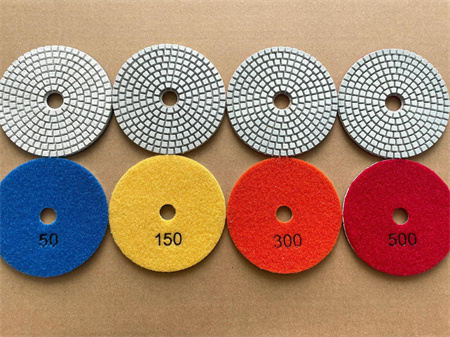
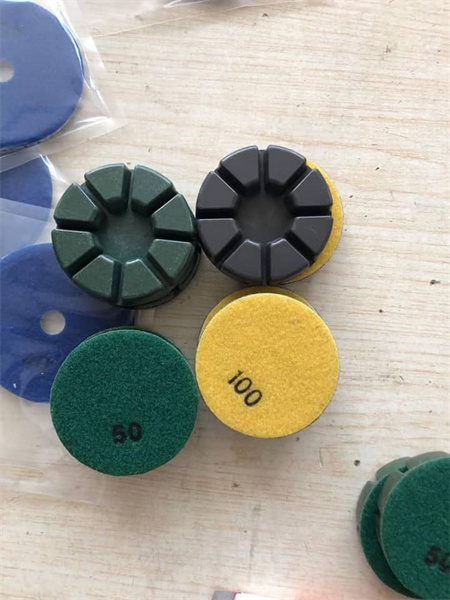
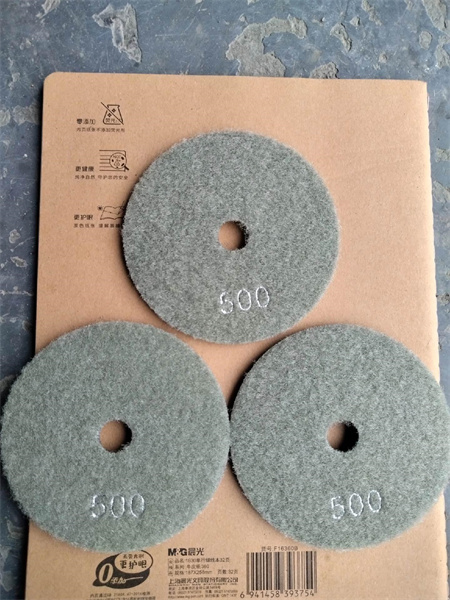
Synthetic diamond quality and grit systems directly affect productivity and finish quality. Synthetic diamonds produced by HPHT and CVD processes differ in crystal morphology and wear characteristics; selecting the appropriate quality grade and micron distribution is essential for consistent performance. Grit systems must be specified for application—coarse grits for initial stock removal, progressive mid-grits for leveling, and fine grits for final polishing. Translating mesh or grit numbers into micron equivalents and matching sequence steps for granite polishing, marble finishing, or concrete polishing improves predictability in shop processes.
Robust production processes underpin batch consistency. Modern manufacturing combines cold pressing or hot pressing techniques with controlled curing cycles to stabilize bond-diamond integration. Hot pressing can enhance density and bond bonding for metal and hybrid pads, while cold pressing with precision curing is common for resin bond tooling. Tight control of pressing pressure, temperature profiles, and post-cure conditioning reduces variance between batches. In-house formula development and laboratory testing—measuring hardness, bond adhesion, diamond retention, and wear rate—support quality control standards that meet the expectations of international stone fabrication industry buyers.
Backing systems and interface reliability are practical considerations for end users. Velcro and hook-and-loop backings remain the standard for quick pad changes on grinders and polishing machines; backing thickness, adhesive type, and plate stiffness influence vibration damping and heat transfer during use. For wet polishing or heavy-duty grinding, reinforced backings and mechanical fastening options improve pad life and safety.

Stone Tool Market Opportunities in 2026

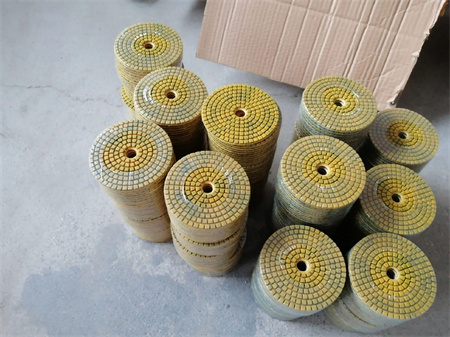
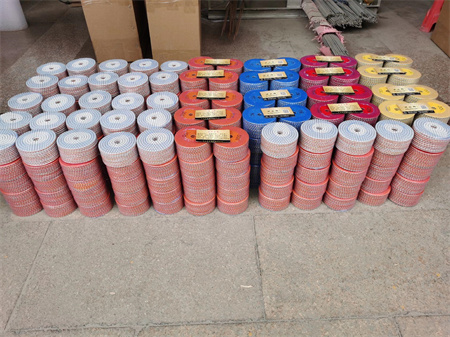
Quality assurance and export packaging practices are increasingly important for global supply chains. Consistent sampling, wear-cycle testing, and ISO-aligned documentation aid distributors and wholesalers in managing inventory and warranties. Export packaging that addresses moisture, corrosion, and mechanical shock—vacuum-sealed inner bags, humidity absorbers, robust cartons or wooden crates, and secure palletization—reduces in-transit damage and simplifies customs inspections. Compliance documentation and product labeling tailored to destination markets streamline clearance and receiver acceptance.

Stone Tool Market Opportunities in 2026

For importers and buyers seeking reliable supply, OEM capability and scalable factory production capacity remain decisive. Trusted manufacturers with long-term international export experience can provide custom formulas, private-label options, and steady containerized shipments to support distribution networks and large fabrication projects. Evaluating suppliers on technical data, production tolerances, and documented quality control procedures helps ensure consistent performance across product lines.
Careful alignment of bond types, synthetic diamond specifications, production methods, backing systems, and export practices will shape procurement decisions in 2026. Buyers focused on consistent cutting speed, predictable gloss levels, and extended pad lifespan will find opportunities by partnering with manufacturers that demonstrate proven formula development, controlled production processes, and reliable international logistics.

Categories
Uncategorized

Container Loading Optimization for Bulk Orders

Efficient container loading is a critical part of delivering diamond polishing pads and stone polishing tools to overseas customers on time and in optimal condition. For overseas diamond tool importers, stone tool distributors, wholesalers, fabrication workshop owners, construction contractors, and building material supply companies, careful planning of bulk shipments reduces damage, preserves pad performance, and lowers overall logistics costs.

Container Loading Optimization for Bulk Orders

With over 30 years of export experience, our factory has refined container loading practices that reflect product characteristics, production processes, and international packaging standards. Diamond polishing pad materials vary—resin bond, metal bond, and hybrid bond pads each have different rigidity, heat resistance, and stacking limits. Resin bond pads produced through hot pressing and curing can be bulkier and more flexible, while metal bond pads formed by cold pressing or sintering are denser and require different packing arrangements to prevent deformation. Understanding these differences is essential when optimizing pallet patterns and selecting container types such as 20ft, 40ft, or high-cube units.

Container Loading Optimization for Bulk Orders

Batch consistency begins on the production floor. Our formula development knowledge ensures consistent resin and bond formulations across large batches, while control of synthetic diamond quality grades and grit systems—ranging from coarse (e.g., 30–60 grit) to fine polishing grits (e.g., 200–3000 grit equivalents depending on micron ratings)—enables correct product segregation for shipping. Pads with PSA or Velcro (hook and loop) backings must be oriented and separated to avoid adhesion during transit; foam or corrugated separators and layer boards are standard to protect backing systems and preserve hook integrity.
Container loading optimization combines physical packing techniques and quality control safeguards. Palletization with standardized pallet footprints, proper column or interlocked stacking, and controlled pallet heights reduce the risk of toppling and compressive damage. For heavy metal bond pads, we limit vertical stacking and distribute weight evenly to maintain cutting speed and lifespan characteristics. Desiccant sachets, moisture-vapor barriers, and sealed inner packaging protect resin bond pads from humidity that could affect curing or gloss performance. Shrink-wrap, corner protectors, anti-slip mats, and certified strapping complete the load securement to meet international transport regulations.

Container Loading Optimization for Bulk Orders

Quality control standards underpin export readiness. Each production batch undergoes abrasion tests, diamond retention evaluations, gloss level measurements, and thermal resistance assessments to verify cutting speed, achievable gloss, and expected lifespan. Batch traceability labels and detailed packing lists simplify customs clearance and post-shipment quality audits for distributors and contractors. For OEM orders, clear marking of grit sequences and diamond quality grades on cartons helps end-users maintain correct polishing progressions for granite polishing, marble finishing, concrete polishing, and general stone fabrication.
International export packaging practices also include compliance with ISPM15 for wooden pallets, appropriate cushioning for mixed-material shipments, and proper documentation for customs and insurance. Load planning software and container load calculators are used to maximize cube utilization while respecting weight limits and ensuring even load distribution to avoid container deformation.
Optimized container loading for bulk diamond polishing pad orders is an integration of manufacturing knowledge, production capacity, material science, and logistics expertise. When packaging and loading reflect bond type, synthetic diamond grade, backing systems, and QC outcomes, supply chain partners receive products that meet performance expectations for stone polishing and fabrication applications.

Categories
Uncategorized

Export Packaging Process for Diamond Pads

Protecting functional integrity during transit is a critical step in supplying diamond polishing pads to international customers. With over 30 years of export experience producing stone polishing tools and accessories, we have found that packaging is not an afterthought but an extension of quality control. Proper export packaging preserves the engineered performance of resin bond, metal bond, and hybrid bond pads, protects synthetic diamond quality grades and grit systems, and helps ensure consistent results for granite polishing, marble finishing, concrete polishing, and other stone fabrication applications.

Export Packaging Process for Diamond Pads

Understanding the production process informs packaging decisions. Diamond pads formed by hot pressing or cold pressing and subsequent curing require controlled moisture and mechanical protection to avoid deformation or bond degradation. Pads manufactured from different bond formulas—softer resin bond for high gloss, harder metal bond for aggressive cutting, and hybrid bonds for balanced life and finish—have distinct sensitivities to temperature and pressure. Our in-house formula development experience guides selection of packaging materials and methods that prevent heat buildup, abrasion of grit, and contamination of bonding surfaces during transit.

Export Packaging Process for Diamond Pads

Backing systems such as Velcro or other hook and loop interfaces deserve particular attention. Hook and loop pads can lose engagement if hooks are flattened or contaminated, so we individually protect backing faces with release films or cardboard shims and arrange pads to minimize friction. For bonded or permanently mounted backings, padding and interleaving prevent edge chipping and preserve dimensional tolerances essential for consistent cutting speed and gloss level on-site. Where pad lifespan and heat resistance are primary performance factors, packaging must avoid compressive loads that could alter pore structure or diamond retention.
Quality control standards drive batch consistency and traceability through packaging. Each lot is sampled and tested for cut rate, gloss level, wear life, and heat tolerance under lab conditions that simulate granite polishing and marble finishing workflows. Measured parameters are recorded and linked to batch codes printed on inner packaging and shipping cartons. This traceability supports OEM orders, warranty claims, and distributor inventory management, and it aids end users in matching grit systems to project specifications in the stone fabrication industry.
Export packaging practices combine functional protection with compliance for international freight. Inner packaging commonly uses moisture-barrier bags with desiccants, vacuum or partial-vacuum sealing for long ocean voyages, and corrugated dividers to prevent pad-to-pad contact. Cartons are specified according to stack strength and payload, with clear labeling of grit numbers, synthetic diamond quality grades, and handling instructions for stone polishing tools. Palletized shipments are stretch-wrapped and secured to treated wooden pallets compliant with ISPM 15, and load plans consider weight distribution to prevent shifting that could damage Velcro faces or crush bond layers.
Documentation and pre-shipment processes are part of reliable export practice. Packing lists, commercial invoices, and certificates of origin accompany consignments; where required, material safety data sheets and product test reports are provided. For large OEM runs, we coordinate pre-shipment inspections and container-loading supervision to maintain batch integrity and to meet distributor or contractor quality expectations for granite polishing and concrete polishing projects.

Export Packaging Process for Diamond Pads

Well-executed export packaging protects product performance, supports predictable field results, and reduces claims for damage or inconsistency. For B2B buyers in the stone fabrication industry, attention to material-specific packaging, batch traceability, and international shipping compliance ensures that diamond polishing pads arrive ready to deliver the intended cutting speed, gloss level, and lifespan.

Categories
Uncategorized

How Distributors Increase Profit Margin with Diamond Pads

Distributors who specialize in stone polishing tools and supplies can increase profit margins by aligning product selection, inventory strategy, and technical support with application-specific diamond polishing pad technology. As a manufacturer with over 30 years of export experience in the diamond tool and stone fabrication industry, I have observed that distributors who understand pad materials, synthetic diamond grading, production processes, and quality control are better positioned to offer higher-value solutions to fabricators, contractors, and wholesalers.

How Distributors Increase Profit Margin with Diamond Pads

Material choice is fundamental to margin improvement. Resin bond pads, metal bond pads, and hybrid bond systems each serve distinct stages of granite polishing, marble finishing, and concrete polishing. Resin bonds typically deliver high gloss on softer stones and fine finishing passes, while metal bonds excel in aggressive stock removal on hard granite and concrete. Hybrid bonds provide a compromise between cutting speed and final gloss, useful for multi-step grit systems. Knowing which bond to recommend reduces returns and increases customer satisfaction, allowing distributors to justify premium pricing for optimized kits.
Synthetic diamond quality and grit systems directly affect performance and perceived value. Consistent synthetic diamond grades—specified by micron size and diamond quality—ensure predictable cutting speed, gloss level, and lifespan. Grit systems spanning coarse (e.g., 30–200) through fine and polishing grits (up to 3000 or micron equivalents) must be matched to the stone fabrication process. Distributors who stock complete, application-oriented grit progressions and can advise on mesh versus micron equivalencies add technical value that supports higher margins.

How Distributors Increase Profit Margin with Diamond Pads

Manufacturing processes underpin product reliability and therefore distributor confidence. Production methods such as hot pressing and cold pressing followed by controlled curing determine diamond retention, bond integrity, and heat resistance. Formula development—balancing resin chemistry, metal powders, fillers, and diamond concentration—affects both cutting life and final gloss. Large-scale production capacity with automated mixing and pressing lines enables consistent batch-to-batch characteristics, while OEM capability allows private-label packaging and customized formulations for niche markets. Distributors who leverage suppliers with proven production processes can offer guaranteed performance levels and warranty terms that command better pricing.

How Distributors Increase Profit Margin with Diamond Pads

Backing systems are another differentiator. Velcro (hook and loop) and pressure-sensitive adhesive (PSA) backings, as well as composite plate designs, influence runout, mounting stability, and ease of use on fabrication tools and hand polishers. Offering the correct backing for a job — quick-change Velcro pads for high-volume fabrication shops or reinforced PSAs for portable grinders on-site — improves efficiency and reduces downtime for end customers, a compelling value proposition for distributors.
Quality control and export practices contribute to lower claims and smoother logistics, both of which protect margins. Rigorous QC regimes—testing diamond concentration, bond hardness, dimensional tolerances, and thermal resistance—ensure batch consistency. For international shipments, export packaging that includes moisture-proof inner packaging, foam inserts to protect edges, palletization, fumigated wooden crates when required, and clear labeling with proper customs documentation minimizes transit damage and delays. Distributors who partner with manufacturers that maintain traceability and international packaging standards reduce inventory risk and improve turnover.
By combining technical product knowledge, tailored inventory assortments (including complete grit systems), private-label options, and reliable supply chain practices, distributors can improve margins while delivering measurable performance benefits to granite polishing, marble finishing, concrete polishing, and broader stone fabrication industry customers.

Categories
Uncategorized

Continuous Product Improvement in Diamond Pads

Continuous refining of diamond polishing pad technology is essential to meet evolving requirements in the stone fabrication industry. For overseas diamond tool importers, stone tool distributors, wholesalers, and fabrication workshop owners, understanding material science, production methods, and quality control practices helps ensure the selected pads deliver consistent performance in granite polishing, marble finishing, and concrete polishing applications.
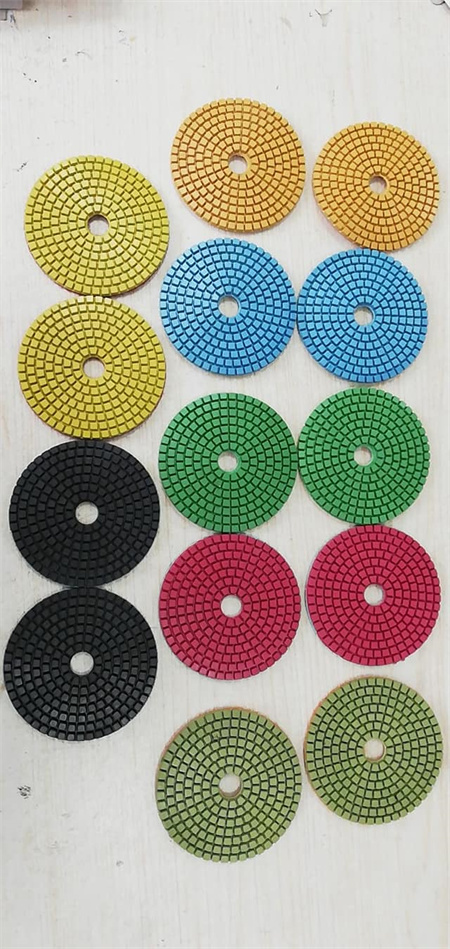
Material selection remains a primary driver of performance. Resin bond pads excel where high gloss and fast cutting are required, and they are commonly used across stone polishing tools for marble finishing and final-stage granite polishing. Metal bond pads provide superior durability and heat resistance for aggressive stock removal on hard granite and engineered stone. Hybrid bond systems, developed through careful formula development, attempt to balance cutting speed, gloss level, and lifespan by combining resin flexibility with metal-like wear characteristics. Control of bond formulation—including polymer matrix, metal powders, and fillers—is a core area of ongoing product improvement informed by long-term manufacturing experience.
Synthetic diamond quality grades and grit systems are equally critical. Diamonds are specified by crystal quality, particle size distribution, and friability, and these factors influence cutting efficiency and pad lifespan. Standard grit systems, ranging from coarse grits for initial grinding to ultra-fine grits for polishing, must be matched to the substrate and desired finish. Accurate control of grit progression minimizes rework and optimizes process time in stone fabrication and construction applications.
Production processes have a major impact on consistency and performance. Hot pressing and cold pressing are both used depending on the bond type; hot pressing and thermal curing are common for resin bond pads to achieve uniform density and bonding strength, while metal bond segments may use sintering or specialized powder metallurgy techniques. Hybrid pads often require multi-stage processing with precise temperature and pressure profiles. Reproducible curing cycles and tooling control are part of the manufacturing know-how developed over decades of export production.

Continuous Product Improvement in Diamond Pads

Backing systems affect usability and tool retention. Industrial-grade Velcro and hook-and-loop systems remain standard for easy pad changes on angle grinders and planetary polishers. Reinforced backings, foam layers, or mesh support can be specified by OEM customers to meet particular stability and vibration requirements in heavy-duty stone polishing tools.

Continuous Product Improvement in Diamond Pads

Performance factors such as cutting speed, gloss level, lifespan, and heat resistance are tested under controlled conditions. Cutting tests on representative materials, gloss measurements with calibrated instruments, and accelerated wear tests inform product grading and customer recommendations. Quality control standards emphasize batch consistency: incoming material inspection, diamond particle analysis, bond composition verification, dimensional checks, and lot traceability enable consistent output across multiple production runs. Statistical process control and documented test records support predictable supply for distribution and wholesale channels.
International export packaging practices are an often-overlooked part of product improvement. Proper packaging protects pads from moisture, abrasion, and deformation during shipment. Palletized cartons, protective interleaving, humidity barriers, and clear labeling for customs expedite handling for overseas distributors and contractors. OEM packaging options and compliance with international shipping requirements are routinely incorporated into production planning to reduce transit damage and expedite warehouse handling.

Continuous Product Improvement in Diamond Pads

Continuous iterative improvements in materials, grit systems, manufacturing processes, and quality assurance are central to delivering dependable diamond polishing pads for the stone fabrication industry. For businesses sourcing stone polishing tools for granite polishing, marble finishing, or concrete polishing, attention to these technical and logistical details supports predictable field performance and operational efficiency.

Categories
Uncategorized

Resin bond polishing pad made in China for stone fabrication distributors

Resin Bond Polishing Pad Made in China for Stone Fabrication Distributors
When it comes to stone fabrication, the quality of your tools directly impacts the final result. The resin bond polishing pad made in China has gained significant recognition in the industry, especially among stone fabrication distributors, for its outstanding performance and cost-effectiveness. This innovative polishing pad is designed to meet the diverse needs of professionals working with granite, marble, quartz, and other stone materials.
Crafted with advanced resin bonding technology, these polishing pads offer an excellent balance between durability and flexibility. Whether you’re working on fine finishing or heavy-duty grinding, the resin bond ensures that the pads maintain their shape and performance even under the toughest conditions. This unique characteristic makes them ideal for a wide range of stone surfaces, from smooth countertops to rough slabs, ensuring that every stone piece gets the attention it deserves.
What sets resin bond polishing pads apart from other options on the market is their exceptional efficiency in delivering a high-gloss finish with minimal effort. These pads have been engineered to reduce the number of steps needed to achieve that perfect shine, saving both time and labor. This is especially valuable in a busy stone fabrication shop where time is money.

Resin bond polishing pad made in China for stone fabrication distributors

Additionally, distributors are increasingly turning to Chinese manufacturers for these products due to their ability to provide high-quality pads at competitive prices. China has long been a hub for manufacturing, and the country’s advanced production techniques ensure that these polishing pads meet international standards. For distributors, this means they can offer top-tier products to their clients without breaking the bank.

Resin bond polishing pad made in China for stone fabrication distributors

Durability is another key feature that makes resin bond polishing pads an excellent choice. They are designed to last longer than traditional polishing pads, which helps reduce the frequency of replacements and maintenance. This translates into cost savings over time, providing distributors with a product that adds value to their business while also satisfying their customers’ needs for reliability.
Moreover, the versatility of these pads makes them a must-have in any stone fabricator’s toolkit. Available in various grits, they can tackle a variety of tasks, from coarse grinding to fine polishing. This versatility allows fabricators to use a single set of pads for multiple stages of the process, streamlining their workflow and minimizing the need for additional tools.
In summary, resin bond polishing pads made in China are a game-changer for stone fabrication distributors. Their advanced technology, durability, and cost-effectiveness make them an essential tool for anyone working with stone. Whether you’re looking to improve your product offering or streamline your workflow, these pads provide the performance and value that fabricators demand.

Resin bond polishing pad made in China for stone fabrication distributors

Categories
Uncategorized

Marble polishing disc wholesale supplier for countertop restoration projects

【系统公告】 接口好像出现了故障,请耐心等待恢复,带来的不便请您谅解。 本服务最新网址: https://chat18.aichatosrg.com 建议收藏,请勿在公开渠道传播,如需使用gpt4请前往https://iai.aichatos8.com.cn (需注册购买会员使用)timeout of 10000ms exceeded

Marble polishing disc wholesale supplier for countertop restoration projects

Marble polishing disc wholesale supplier for countertop restoration projects

Categories
Uncategorized

wet diamond polishing pads supplier direct from factory

Wet Diamond Polishing Pads Supplier Direct from Factory
When it comes to achieving a flawless finish on stone surfaces, wet diamond polishing pads stand out as the top choice. Sourcing these high-quality pads directly from the factory offers unbeatable advantages. From cutting-edge technology to precision manufacturing, factory-direct suppliers bring you premium polishing tools designed to meet the demands of professional stoneworkers and DIY enthusiasts alike.
Wet diamond polishing pads are specifically designed for polishing and refining hard surfaces like granite, marble, and concrete. Unlike dry pads, wet pads are used with water to keep surfaces cool and reduce dust, making them the perfect choice for maintaining a clean, smooth finish. The superior quality of factory-direct products ensures that each pad delivers consistent performance, longevity, and impressive results.

wet diamond polishing pads supplier direct from factory

When you choose a direct supplier, you cut out the middleman, allowing for better pricing, faster shipping, and more control over your order. Factory-direct suppliers often offer a wide range of pads designed to tackle different stages of the polishing process. From coarse pads for initial grinding to finer pads for achieving a mirror-like finish, these pads are engineered for efficiency and reliability. You can trust that each pad is made with the latest innovations in diamond technology, ensuring an optimal balance between performance and durability.

wet diamond polishing pads supplier direct from factory

One of the biggest benefits of purchasing from a factory-direct supplier is the ability to work closely with experts who understand the ins and outs of diamond polishing. These suppliers offer detailed guidance on which pads to use for various surfaces and applications, helping you make informed choices to achieve the best results. Whether you’re a professional contractor or a weekend warrior, having direct access to the factory’s knowledge and expertise is invaluable.
Another compelling reason to choose a factory-direct supplier is the customization options they often provide. Many manufacturers are willing to work with customers to create tailor-made polishing pads that meet specific needs. This personalized approach means that you don’t have to settle for one-size-fits-all solutions—get the perfect pad that’s right for your project.

wet diamond polishing pads supplier direct from factory

In addition to excellent product quality and service, factory-direct suppliers are often able to offer faster turnaround times. Whether you’re working on a tight deadline or need a consistent supply of polishing pads for large projects, working with a supplier who ships directly from the factory can help you stay on track.
So, if you’re looking for top-tier wet diamond polishing pads that promise quality, affordability, and performance, look no further than a direct-from-factory supplier. With their competitive pricing, expert guidance, and commitment to customer satisfaction, you can take your stone polishing projects to the next level.

Categories
Uncategorized

china diamond polishing pad supplier OEM customized

Looking for a top-tier China diamond polishing pad supplier? You’ve come to the right place! Whether you’re working in the stone, automotive, or manufacturing industries, our custom OEM diamond polishing pads are designed to meet your specific needs and exceed expectations.

china diamond polishing pad supplier OEM customized

Diamond polishing pads are an essential tool for achieving that perfect, smooth finish. With the finest diamonds embedded in the pads, these tools are designed for superior performance and durability, allowing you to polish surfaces to a high shine in less time. As one of China’s leading suppliers, we specialize in providing OEM (Original Equipment Manufacturer) services that allow you to fully customize your diamond pads according to your requirements.
Our polishing pads come in a variety of sizes, shapes, and grit levels, allowing them to handle an array of surfaces—whether it’s marble, granite, concrete, or other materials. The flexibility in customization means that no matter the project, you can count on having the perfect pad for the job. And, with advanced manufacturing processes, our pads ensure you get consistent quality that you can rely on every time.

china diamond polishing pad supplier OEM customized

One of the biggest advantages of working with us is the ability to customize every aspect of the polishing pad. From the dimensions to the grit sizes, the type of backing material, and even the diamond concentration, we ensure that every product matches your exact specifications. Our skilled team is ready to work closely with you, whether you’re developing a new product or looking to enhance your current operations.
We understand the challenges of the polishing industry and the need for efficiency, quality, and cost-effectiveness. That’s why our diamond polishing pads are not just about getting the job done—they’re about getting it done right, every time. With our products, you’ll notice a reduction in time spent on polishing, thanks to their effectiveness in cutting and smoothing. This means higher productivity, improved results, and ultimately, satisfied customers.

china diamond polishing pad supplier OEM customized

If you’re ready to upgrade your polishing process, choosing the right supplier is essential. By selecting us as your trusted China diamond polishing pad supplier, you’re partnering with a company that offers more than just products, but a long-term solution to your polishing needs. Reach out to us today to discuss your requirements and get started with custom OEM orders.

Categories
Uncategorized

Marble polishing disc made in China for granite and marble workshops

Title: Marble Polishing Disc Made in China for Granite and Marble Workshops

Marble polishing disc made in China for granite and marble workshops

When it comes to achieving the perfect finish for granite and marble surfaces, the tools you choose can make all the difference. One of the most crucial tools in a stone workshop is the marble polishing disc, and if you’re working with high-end materials like marble or granite, quality is paramount.

Marble polishing disc made in China for granite and marble workshops

Made in China, these marble polishing discs have earned a reputation for their precision and durability. China has long been known for its manufacturing prowess, particularly in the stone industry. Offering a wide range of polishing discs tailored to various stone surfaces, Chinese manufacturers provide products that deliver excellent results at competitive prices.
These polishing discs are designed to cater to the demanding needs of marble and granite workshops. The surface quality and texture of both materials require specialized equipment to ensure a smooth, high-gloss finish. Chinese marble polishing discs are crafted with advanced technologies and superior materials, ensuring that every disc can handle even the toughest polishing jobs. Whether you’re working on intricate marble countertops or large granite slabs, these discs consistently produce flawless results, saving both time and effort.
What makes these discs stand out is their versatility. Not only are they suitable for different types of marble and granite, but they also come in various grits to match different polishing stages. From rough grinding to a fine, smooth finish, these discs handle it all. Their efficient design helps reduce wear and tear, ensuring they last longer, even with constant use.

Marble polishing disc made in China for granite and marble workshops

Beyond performance, the cost-effectiveness of these polishing discs cannot be overlooked. Workshops around the world are looking for ways to maximize productivity without breaking the bank, and Chinese-made marble polishing discs provide an ideal solution. They offer the right balance between high-quality performance and affordability, making them a preferred choice for both small and large-scale workshops.
If you’re looking to elevate your workshop’s polishing process, choosing the right disc is a game-changer. Chinese marble polishing discs not only provide superior quality but also guarantee that your marble and granite projects will shine like never before. Whether you’re a seasoned stoneworker or just starting in the industry, these discs are a worthy investment for achieving professional-grade finishes every time.
With the constant demand for high-quality stone products, having the right tools in your arsenal is essential. Trust in the marble polishing discs made in China to keep your workshop running smoothly and efficiently while delivering exceptional results.