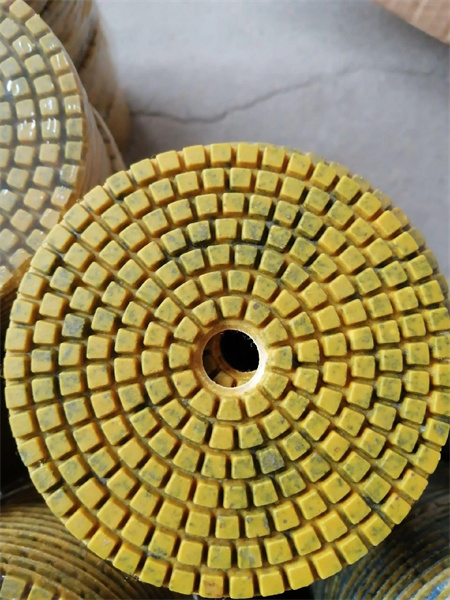
Diamond Polishing Pads Future Cost Trends in Global Market
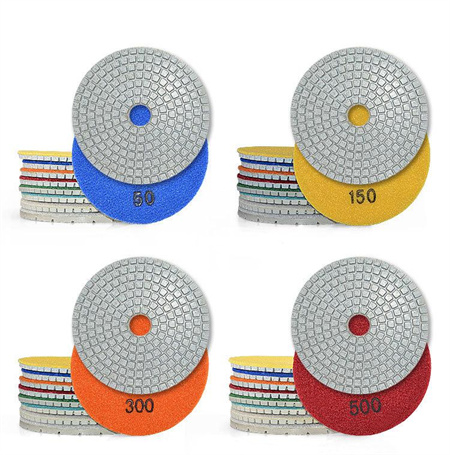
In recent years, the global market for diamond polishing pads has seen rapid growth, driven by the increasing demand across various industries, including construction, automotive, and electronics. As more industries seek efficient and high-quality polishing solutions, the cost trends for diamond polishing pads are set to evolve.
The demand for diamond polishing pads is largely influenced by the constant push for better surface finishing. These pads, known for their durability and precision, are widely used to polish surfaces such as stone, glass, ceramics, and metals. Their unmatched performance in smoothing out surfaces has made them a staple in industrial applications. With the expansion of industries relying on high-quality finishes, the demand for diamond polishing pads is expected to keep rising.
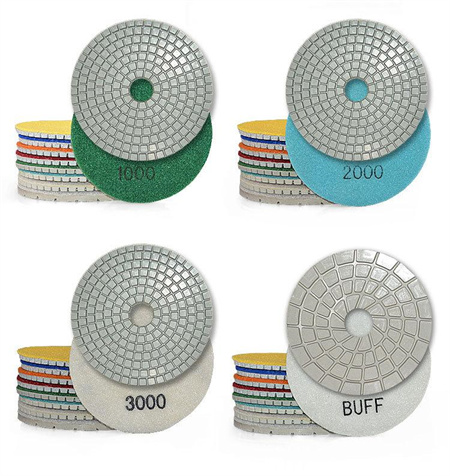
However, with rising demand comes the challenge of fluctuating production costs. The cost of raw materials used in manufacturing diamond polishing pads, such as diamond dust, has been a significant factor in pricing. As the price of diamonds continues to fluctuate on the global market, the cost of diamond polishing pads is likely to follow suit. Moreover, technological advancements are expected to have a mixed impact. While innovations that increase production efficiency may lower some costs, the introduction of new, more specialized pads might raise the price for premium products.
Another aspect that will influence future cost trends is the growing interest in eco-friendly and sustainable production methods. Manufacturers are under increasing pressure to minimize the environmental impact of their products. This shift towards sustainability may result in higher production costs initially, but it could also lead to long-term benefits in the form of cost reductions through recycling and more efficient manufacturing techniques.
Regional variations will also play a crucial role in determining the cost dynamics. The cost of labor, transportation, and local regulations in different countries will affect how diamond polishing pads are priced in various regions. For example, in markets where labor costs are higher, such as North America and Europe, the price of diamond polishing pads may increase, while in regions with lower labor costs, such as parts of Asia, the prices may remain more competitive.
Looking ahead, the overall trend for diamond polishing pads is expected to be one of gradual price increases, albeit with some fluctuations along the way. Factors like raw material costs, technological innovations, environmental concerns, and regional market dynamics will all contribute to shaping the cost trends in the global market. Businesses looking to invest in diamond polishing pads should stay informed on these trends to make strategic purchasing decisions and secure long-term cost efficiency.