As the global stone fabrication and construction sectors adapt to renewed infrastructure investment and continued demand for high-quality finishes, 2026 presents tangible market opportunities for diamond polishing pad suppliers. With over 30 years of export experience, our perspective emphasizes the technical attributes and supply-side capabilities that matter most to importers, distributors, wholesalers, fabrication workshops, contractors, and building material suppliers evaluating long-term partnerships.
Material and bond selection remains central to performance. Resin bond pads are widely used for marble finishing and concrete polishing because they provide high gloss and reduced scratching on softer stones, while metal bond pads deliver superior cutting speed and heat resistance for hard granite and engineered stone. Hybrid bond formulations offer a balance of cutting efficiency and surface quality useful across mixed fabrication shops. Formula development to tune bond matrix, filler content, and thermal additives is critical to achieving repeatable cutting speed, gloss level, and lifespan for specific stone tool applications.
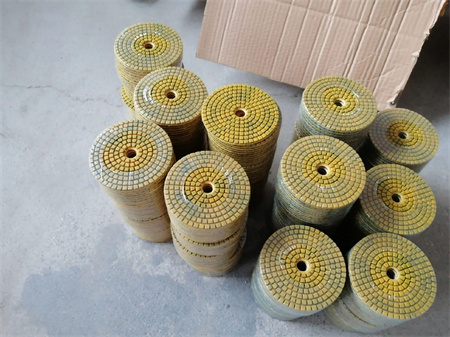
Synthetic diamond quality and grit systems directly affect productivity and finish quality. Synthetic diamonds produced by HPHT and CVD processes differ in crystal morphology and wear characteristics; selecting the appropriate quality grade and micron distribution is essential for consistent performance. Grit systems must be specified for application—coarse grits for initial stock removal, progressive mid-grits for leveling, and fine grits for final polishing. Translating mesh or grit numbers into micron equivalents and matching sequence steps for granite polishing, marble finishing, or concrete polishing improves predictability in shop processes.
Robust production processes underpin batch consistency. Modern manufacturing combines cold pressing or hot pressing techniques with controlled curing cycles to stabilize bond-diamond integration. Hot pressing can enhance density and bond bonding for metal and hybrid pads, while cold pressing with precision curing is common for resin bond tooling. Tight control of pressing pressure, temperature profiles, and post-cure conditioning reduces variance between batches. In-house formula development and laboratory testing—measuring hardness, bond adhesion, diamond retention, and wear rate—support quality control standards that meet the expectations of international stone fabrication industry buyers.
Backing systems and interface reliability are practical considerations for end users. Velcro and hook-and-loop backings remain the standard for quick pad changes on grinders and polishing machines; backing thickness, adhesive type, and plate stiffness influence vibration damping and heat transfer during use. For wet polishing or heavy-duty grinding, reinforced backings and mechanical fastening options improve pad life and safety.
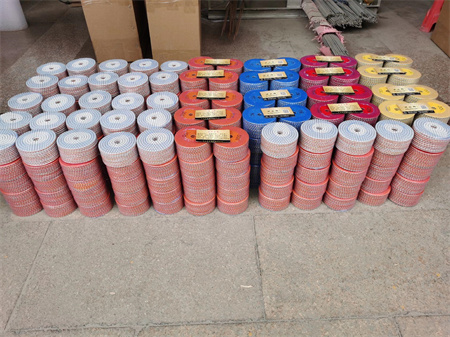
Quality assurance and export packaging practices are increasingly important for global supply chains. Consistent sampling, wear-cycle testing, and ISO-aligned documentation aid distributors and wholesalers in managing inventory and warranties. Export packaging that addresses moisture, corrosion, and mechanical shock—vacuum-sealed inner bags, humidity absorbers, robust cartons or wooden crates, and secure palletization—reduces in-transit damage and simplifies customs inspections. Compliance documentation and product labeling tailored to destination markets streamline clearance and receiver acceptance.
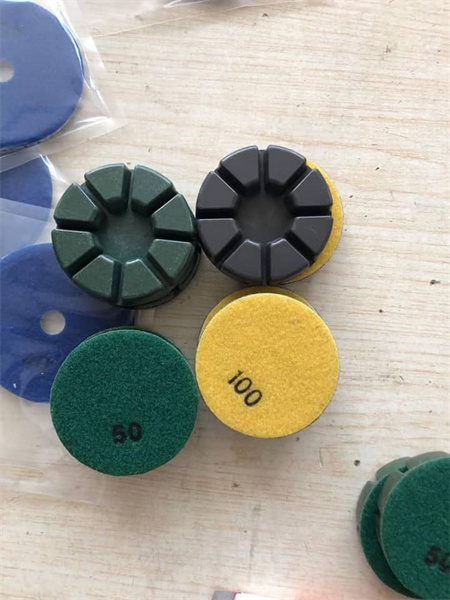
For importers and buyers seeking reliable supply, OEM capability and scalable factory production capacity remain decisive. Trusted manufacturers with long-term international export experience can provide custom formulas, private-label options, and steady containerized shipments to support distribution networks and large fabrication projects. Evaluating suppliers on technical data, production tolerances, and documented quality control procedures helps ensure consistent performance across product lines.
Careful alignment of bond types, synthetic diamond specifications, production methods, backing systems, and export practices will shape procurement decisions in 2026. Buyers focused on consistent cutting speed, predictable gloss levels, and extended pad lifespan will find opportunities by partnering with manufacturers that demonstrate proven formula development, controlled production processes, and reliable international logistics.